Broken Art, Enduring Beauty
Florence – A radical rethinking of artistic appreciation is on display at Palazzo Strozzi, with the exhibition ‘The Power of the Fragment’. Far from viewing damaged artworks as mere losses, the show argues that breakage can actually enhance an object’s meaning and historical significance. Spanning over eighty works from ancient Egypt to contemporary art, the collection – a collaboration between Palazzo Strozzi and the National Gallery of Art in Washington D.C. – presents a compelling case for embracing imperfection.
A Philosophy of Fracture
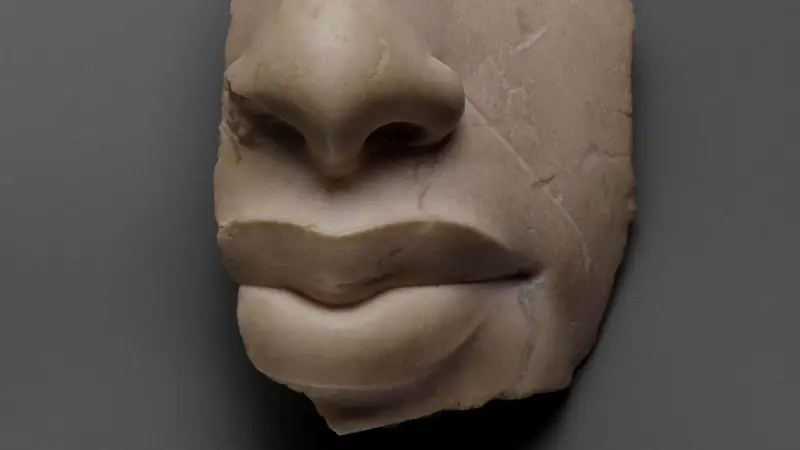
The exhibition’s premise is rooted in centuries-old practices like kintsugi, the Japanese art of repairing ceramics with gold, celebrating cracks rather than concealing them. This philosophy extends to the artworks themselves. The nose and lips of Akhenaten (circa 1350 BC), on loan from the Metropolitan Museum of Art, exemplify this – a mere eight centimetres evokes the pharaoh more powerfully than intact colossal statues. Similarly, the Livorno Torso, a first-century BC bronze missing its head and arms, becomes a potent symbol through its absence.
Political Statements & Artistic Intent
‘The Power of the Fragment’ isn't solely focused on historical artifacts; it also incorporates politically charged works. Wildt’s ‘Dux’, a bust of Mussolini riddled with bullet holes from partisan fire following Liberation, demonstrates how damage can become integral to an artwork's narrative. The exhibition explores artists who intentionally embraced rupture – Michelangelo’s unfinished sculptures ( *non finito* ), Rodin’s discarded models, and the deliberate destruction of Louis XIV’s equestrian statue during the French Revolution.
Contemporary Interpretations
The exhibition extends into contemporary art with works like Francesco Vezzoli's ‘The Swan’, which grafts a Roman male head onto a Renaissance female bust, highlighting themes of appropriation and historical reimagining. Mark Manders’ site-specific installation further reinforces the concept, transforming destruction into memory. The show demonstrates that the meaning of a broken artwork is profoundly influenced by the viewer’s perspective and the context in which it's observed.